
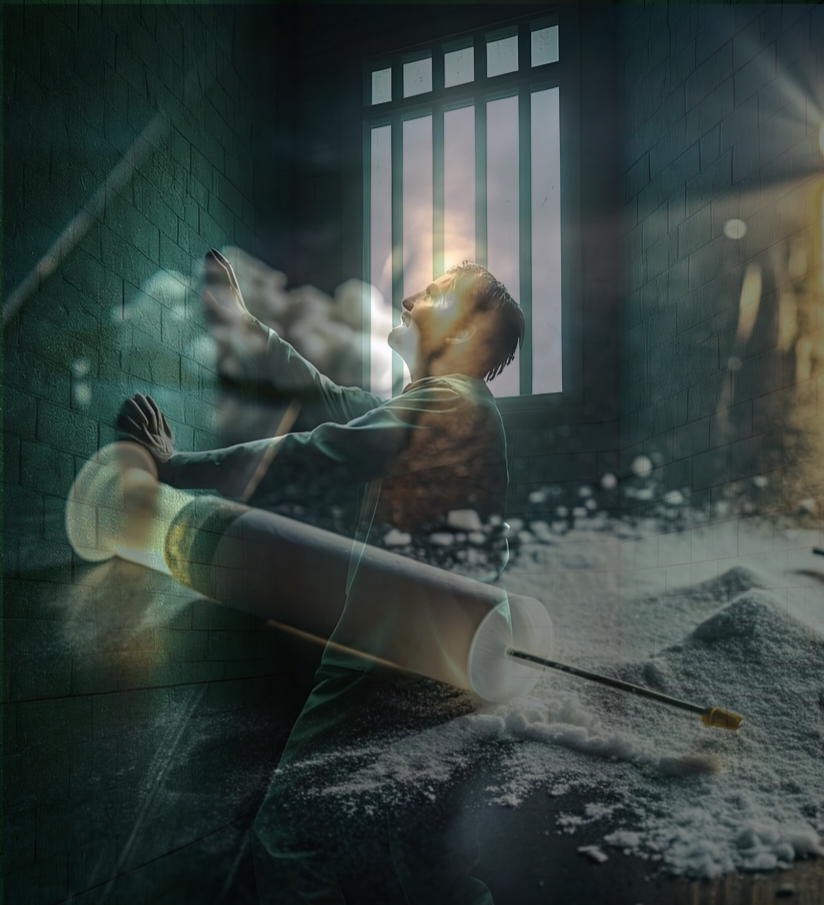
Our Next Seminar will be held on Thursday 11th June 2026, 5-7pm.
This will be a free virtual event via Zoom. Spaces are limited on a first come basis.
To book your space please visit our Ticket Tailor page here.
Speakers:

Professor Rob Poole
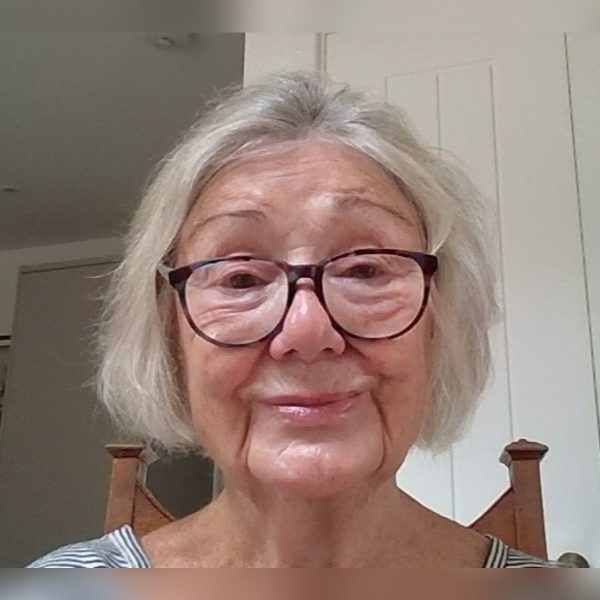
Professor Susanne MacGregor
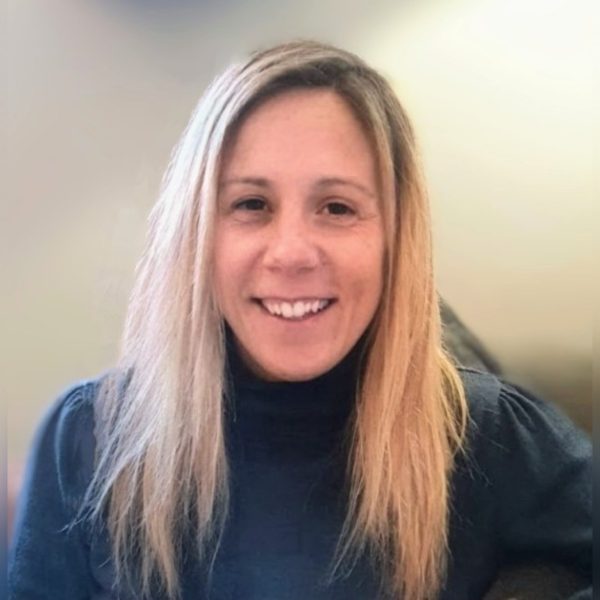
Dr. Kim Barnett
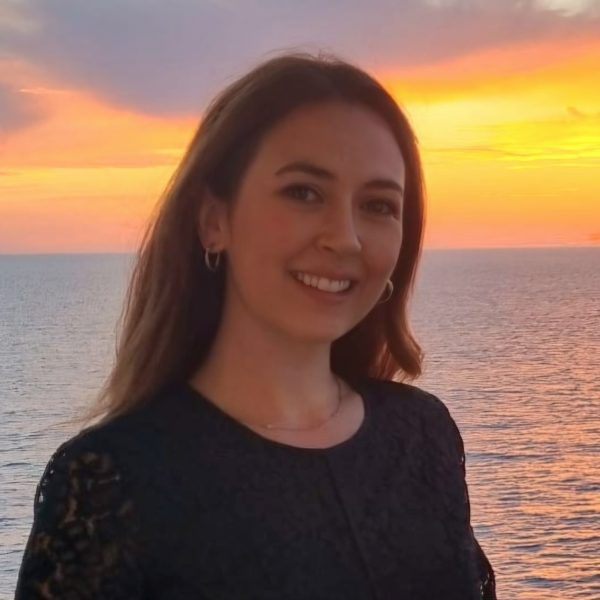
Amber O’Brien MRCPharm

Dr. Justin Lawson
Professor Rob Poole
I was Professor of Social Psychiatry at Bangor University from 2009 until my retirement in late 2025. Before that I was a community psychiatrist in Toxteth, Liverpool for 16 years and in a market town in North Wales for 5 years.
My interest in prison medicine dates from when I was a medical student in the 1970s, and I was a member of the exam board of the Diploma of Prison Medicine.
I have published a reasonable number of papers, books and chapters on a variety of subjects. I received the RCPsych Lifetime Achievement Award in 2017.
Professor Susanne MacGregor
I am an Honorary Professor at the London School of Hygiene and Tropical Medicine and Professor Emerita at Middlesex University London. I am a social scientist with a background in anthropology and politics, and have taught and researched mainly in social policy and public health.
My interest in addiction has developed since research with young homeless people who had overdosed at City Roads (crisis intervention) in London in the early 1980s. I was Programme Coordinator for the Department of Health Drug Misuse Research Initiative from 2000-2010 and a member of an ACMD Working Group on the Ageing Cohort of Drug Users in 2019.
Dr. Kim Barnett
I am a researcher affiliated with Bangor University and University of Manchester, specialising in prison-based research, substance use, and treatment interventions. My work focuses on improving outcomes for individuals involved in the criminal justice system through evidence-based approaches.
My interest in this field stems from extensive frontline experience as a practitioner in substance misuse and mental health services, working across prisons and community criminal justice programmes in both the UK and New Zealand.
Amber O’Brien MRCPharm
I am the Lead Pharmacist at HMP Berwyn, working within Betsi Cadwaladr University Health Board (BCUHB). With over nine years’ experience in the prison setting, I have developed a strong interest in ensuring safe, effective and evidence-based prescribing for patients in custodial environments, addressing the unique health challenges and inequalities faced by this population.
I have been actively involved in a range of research projects at HMP Berwyn and am passionate about expanding research within secure settings to further enhance the quality of care for people in prison. I am committed to advancing pharmacy practice through innovation, collaboration and continuous improvement in offender health services.
Dr. Justin Lawson
I have been working in prisons as a GP for the past 23 years from the first wave of NHS provision in Northumberland.
I was formerly the lead GP for Northumberland Community Substance Misuse Service so have experience on both sides of the prison fence.
My focus has always been on safe and appropriate prescribing recognising how poor prescribing decisions contribute to harms.
I am currently the Lead GP for HMP Berwyn and Co author of Evaluation of a framework for safe and appropriate prescribing of psychoactive medication in a UK prison & Dec 2020 Mental Health and Criminal Behaviour 31(2).
Summary:
Dealing, drugs, prisons – our concept of ‘dealing with’ is one of reducing harms from drugs, particularly mind altering drugs for people in prison. People who are prisoners ‘deal with drugs’ in quite other ways. To some extent, patterns of drug use and abuse in prison mirror those in wider society, in particular patterns change over time1. Current concerns, however, have never been higher. A recent house of Commons Justice Committee report2 described the trade and use of illicit drugs as ‘endemic’, 16% of deaths in prison as directly drug related and over 10% of men and 20% of women first coming to illicit drugs whilst in prison; two-thirds of deaths within two weeks of leaving prison are drug-related. The most lucrative in-prison drug trade is of illicit drugs but prescribed medication is also subject to abuse.
This webinar explores those tragic, potentially avoidable deaths. It considers the role of prescribing medications and seeking to contain at least the unintended harms if this becomes uncontrolled. It focuses on what prisoners themselves say about managing their drug use in prison.
https://committees.parliament.uk/publications/50009/documents/269349/default/
https://cdn.websitebuilder.service.justice.gov.uk/uploads/sites/19/2025/08/Substance-misuse-2015.pdf
- Schedule:
Dealing with Drugs in Prisons – What is going wrong? How can we do better?
17.00 Introductions – Professor Pamela Taylor, Crime In Mind
17.10 Learning from unintended unnatural deaths in prisons
17.40 The pains of rationalising prescribed medicines when men are received into prison
Amber O’Brien MRCPharm and Dr Justin Lawson
18.00 What do the men in prison say?
18.30 Developing from these lessons
Lead Discussant – Professor Rob Poole
18.45 General discussion
19.00 Close
Research can transform lives. We want to support discoveries about what helps people with mental disorder who have been victims of criminal behaviour, or perpetrators of criminal behaviour, and their families, and the clinicians and others who treat them and, indeed, the wider community when its members are in contact with these problems. More effective prevention is the ideal, when this is not possible, we need more effective, evidenced interventions for recovery and restoration of safety.
If you would like to become a Member of Crime In Mind please visit our website here.
Membership entitles all Members to the following benefits:
- Access to private members page on dedicated website containing Members discussion forums, document archive and resource libraries.
- Access to recordings of our previous webinars and seminars.
- Free attendance at suitable events awarding up to 10 CPD hours per annum.
- Opportunity to join the Executive committee subject to the conditions of the Articles of Association.
Please help us by donating to Crime In Mind – DONATE TO CRIME IN MIND HERE